
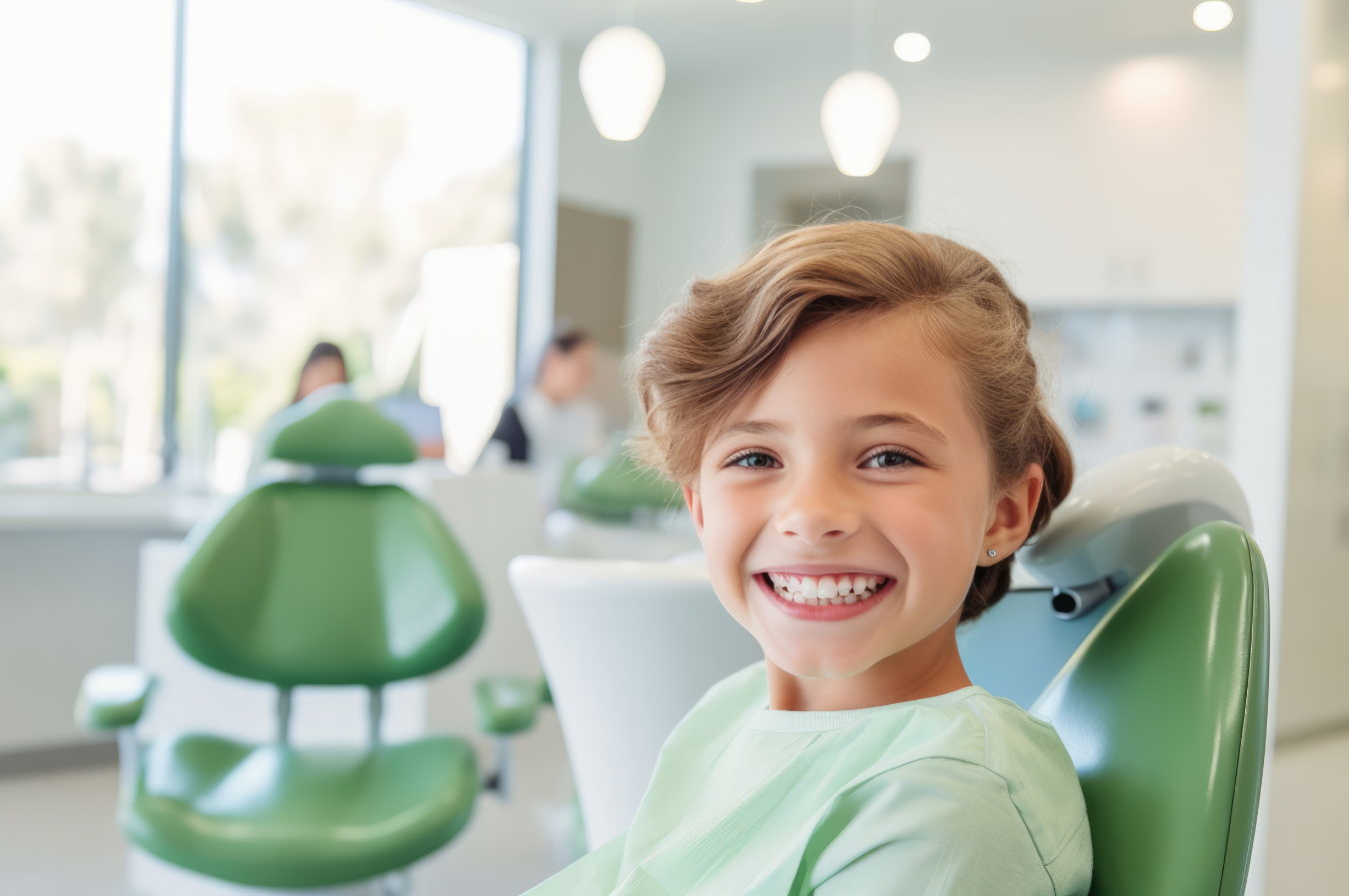
As a parent, you want to give your child every advantage—including a confident, healthy smile. But knowing when to start orthodontic treatment (like braces) can be confusing. Some kids begin care as early as age 7, while others may not need braces until their teen years. So how do you know what’s right for your child?
Braces are a common part of growing up for many kids. They’re used to correct a variety of dental issues such as crowding, spacing, and bite alignment. But the timing and type of treatment can vary from child to child.
This guide will walk you through the basics—when to consider braces for your child, what signs to look for, and what you can expect during the process.
When Should Kids Get Braces?
There’s no “one-size-fits-all” answer when it comes to timing, but most orthodontists recommend an initial evaluation around age 7. By this age, most children have a mix of baby and permanent teeth, which allows an orthodontist to assess how the smile is developing and whether any early intervention is needed.
This doesn’t always mean braces will be recommended right away. In fact, many children are simply monitored until more adult teeth come in. However, early evaluations can help identify potential issues like:
- Bite problems (overbite, underbite, crossbite)
- Crowding or spacing
- Abnormal tooth eruption patterns
- Jaw growth imbalances
- Prolonged thumb-sucking or pacifier habits
If early treatment is needed, it’s often simpler and shorter than waiting until the problem becomes more complex in the teen years.
Signs Your Child May Need Braces
You don’t need to wait until your child’s adult teeth are fully in before spotting signs that orthodontic treatment may be necessary. Keep an eye out for:
- Crowded or overlapping teeth
- Large gaps between teeth
- Trouble chewing or biting
- Jaw clicking or shifting
- Early or late loss of baby teeth
- Frequent mouth breathing
- Teeth that stick out
- Difficulty with speech sounds
Even if your child’s teeth appear straight, there may be underlying bite issues that aren’t visible. An orthodontic evaluation is the best way to get a complete picture of their oral development.
What to Expect at the First Orthodontic Visit
Your child’s first orthodontic appointment is usually more about evaluation and planning than starting treatment. Here’s what typically happens:
1. Review of dental history — The orthodontist will ask about habits, concerns, and past dental experiences.
2. Oral exam — A gentle check of your child’s teeth, bite, and jaw.
3. X-rays or scans — These help evaluate how permanent teeth are coming in and reveal issues below the surface.
4. Treatment recommendations — You’ll learn whether treatment is needed now or in the future, and what options may be available.
If treatment is recommended, your provider will explain the timeline, steps, and any preparations needed so you can make an informed decision.
Types of Braces for Kids
Several options are available for children’s orthodontic treatment, and your provider will recommend the best one based on your child’s needs and stage of development.
Traditional Metal Braces
Still the most common and effective type of braces. Metal brackets and wires are bonded to the teeth and adjusted over time to shift the smile into place. Kids can choose fun band colors to personalize their look.
Clear Braces
These work just like metal braces but use tooth-colored or ceramic materials for a more discreet appearance. A great option for older kids who want something less visible but still powerful.
Clear Aligners (For Some Kids)
Removable aligner trays may be suitable for older children with mild to moderate alignment needs—especially if they’re responsible enough to wear them consistently. Not every child is a candidate, but this is an increasingly popular option.
How Long Do Kids Wear Braces?
The length of treatment varies depending on how much correction is needed and how the child responds to care. On average, most kids wear braces for 18 to 24 months.
Factors that affect treatment time include:
- The type and severity of the alignment issue
- The type of braces used
- How well your child follows instructions (such as avoiding hard foods or wearing elastics)
- Oral hygiene during treatment
Your orthodontist will give you a personalized estimate and keep you updated at each visit.
What Life with Braces Looks Like
Braces take a little getting used to, but most kids adjust quickly. During the first few days, your child may experience mild soreness or pressure—this is normal and usually fades within a week.
Here are a few things to expect:
- Diet adjustments — Sticky or crunchy foods should be avoided
- Brushing and flossing — These will require extra care and attention
- Regular check-ups — Adjustments will happen every 4–8 weeks
- Occasional discomfort — Soreness may return briefly after adjustments
Helping your child build good hygiene and maintenance habits will go a long way in keeping treatment on track.
Tips for Parents During the Braces Process
- Encourage your child to follow dietary rules—it’ll prevent broken brackets and delays
- Help them stay consistent with oral hygiene to avoid cavities or stains
- Make braces fun with colored bands or small rewards for good care
- Stay positive—kids often take cues from their parents’ attitude
- Keep all scheduled visits to ensure progress stays on track
With the right support, kids can adapt quickly and feel proud of their progress along the way.
Ready to Explore Braces for Your Child?
At Franklin Orthodontics, we help families across Chambersburg feel confident about every step of the orthodontic journey. Our team is known for kindness, clarity, and exceptional communication—so parents feel supported, and kids feel at ease.
We offer flexible treatment options like metal braces, clear braces, and 3M Clarity Aligners, and our consultations are always detailed and personalized. Whether your child is just getting started or ready to begin treatment, we’re here to help.
Schedule your free consultation today to find out if it’s the right time for your child to begin braces—and what their best options might be.